

A few months ago, I visited a friend, a well-known architect, to introduce him to our smart home product line. Our discussion was insightful, and he seemed genuinely interested. But then, he showed me something that made me pause—a few smart control switches and systems installed in his office.
“These were done by a smart home integrator,” he explained. “But they never work properly. Sometimes they don’t respond at all when I try to turn them on or off.”
His next question struck a chord: “How can I refer a smart home to someone if it doesn’t even work for me?”
It was a valid and sobering question. How can someone trust a technology or system that fails to deliver on its promise? And worse, how can they recommend it to others when their own experience is subpar?
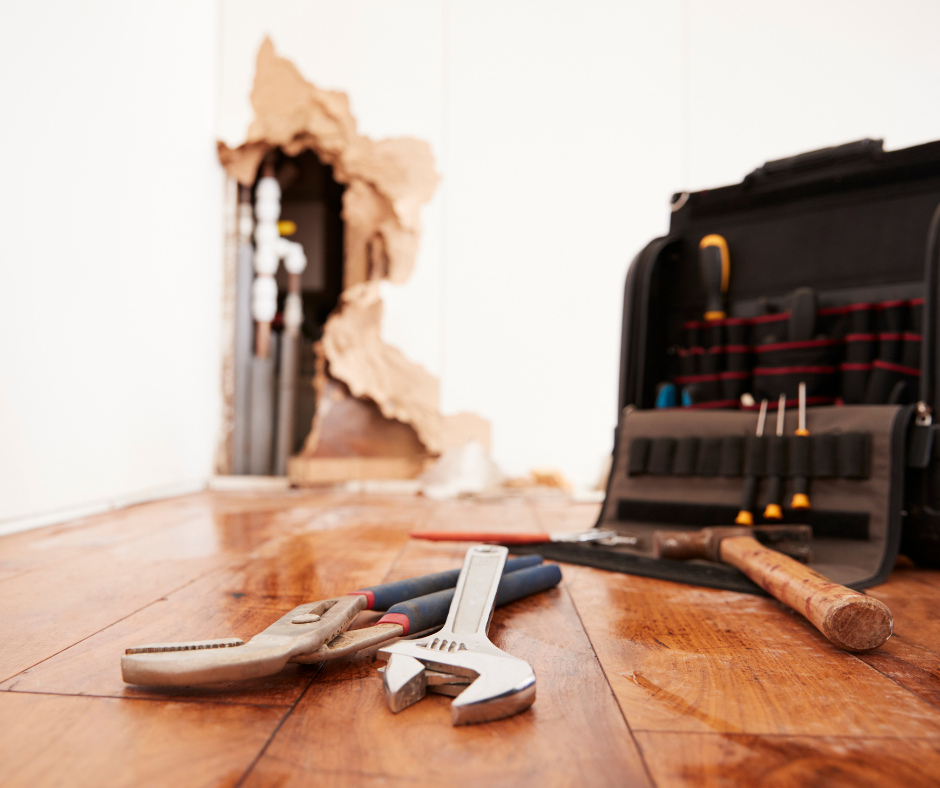
The Hidden Damage of Half-Baked Solutions
Unfortunately, this isn’t an isolated story. My discussion with a few other builders and architects gave me more insight into this.Many smart home systems today are installed by individuals who lack the necessary qualifications. They rely on YouTube tutorials and buy cheap products from online marketplaces without understanding the underlying technology or ensuring the quality of the components.
Most don’t have basic knowledge of networking or wiring. The result?
-
Unreliable Systems: Devices that don’t work as they should, causing frustration.
-
Eroded Trust: Homeowners hesitant to invest in smart technology.
-
Harm to the Industry: A bad reputation for an industry with immense potential

Homes: A Dream, Not a Gamble
Building a home is often the culmination of someone’s life savings and dreams. It’s not just bricks and mortar. It’s a sanctuary, a space for memories, and a reflection of aspirations. A smart home should enhance this dream, not darken it with poorly implemented systems that fail to meet expectations.
Smart home installation isn’t just about plugging in devices; it’s about creating a connected ecosystem tailored to the homeowner’s lifestyle. Achieving this requires expertise, precision, and a deep understanding of the technology.

The Role of Qualified Professionals
Just as an architect designs the structure and a civil engineer ensures its integrity, smart home installation requires trained and qualified professionals. It’s a technical and creative field that demands:
-
In-Depth Knowledge: Understanding the intricacies of innovative systems and their compatibility.
-
System Reliability: Installing products that meet high standards of quality and performance.
-
User-Centric Design: Crafting a seamless experience for the homeowner.
Unqualified individuals might offer quick fixes, but at what cost? They risk tarnishing an entire industry for the sake of short-term gains. This is why we must emphasize education and training. There’s a place for everyone to learn and grow, but smart homes require professionals who are serious about the craft.
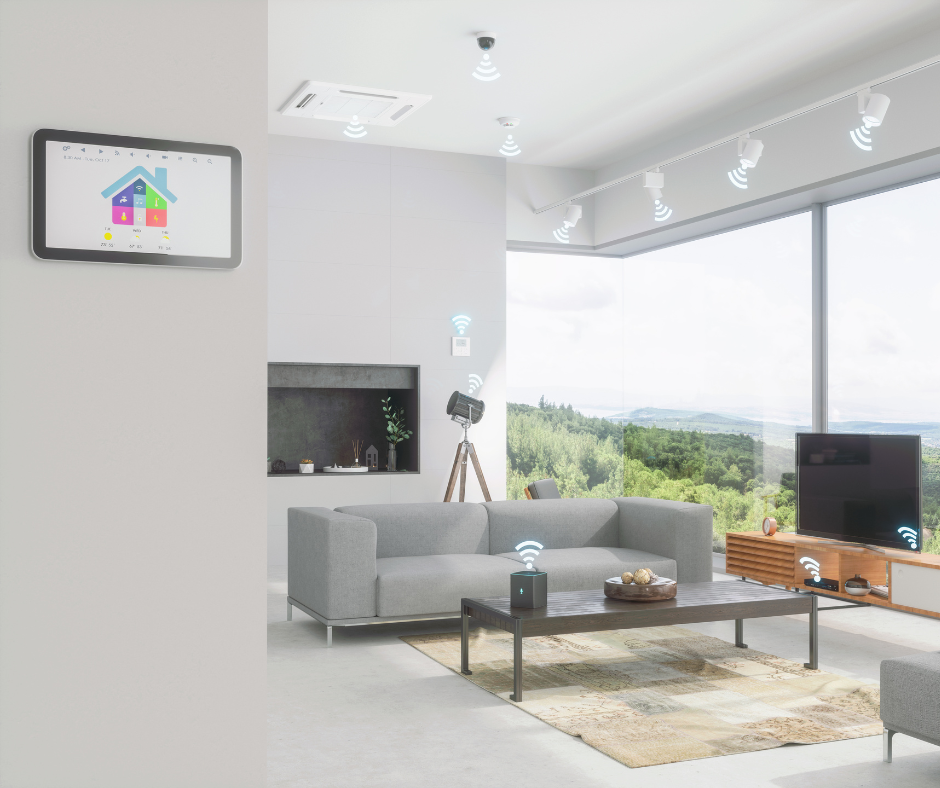
Looking Ahead
During the early days of our incubation screening at IIMK LIVE, someone asked me, “Are you saying that corporates like Wipro and TCS will come for smart home installations?”
My answer was simple: “Why not? If they see the market’s value, there’s nothing stopping them.”
But even if large corporates don’t enter the field, we must still ensure the right people do. Qualified technicians and engineers are essential to building trust in this industry.
Smart homes are not a luxury. They are the future of living. They promise convenience, security, and sustainability. But for that promise to be realized, we must respect the craft, invest in the right skills, and never compromise on quality.
So, to those considering a career in smart home technology, remember: you’re not just installing devices. You’re shaping someone’s dream home. Let’s do it right.
